
 Indonesia
EXIT STRATEGY “Strengthening Forest Areas Planning and Management in Kalimantan (KALFOR)”
The Ministry of Environment and Forestry (KLHK), in collaboration with the United Nations Development Programme (UNDP) and the Global Environment Facility (GEF), seeks to address various causes of environmental damage preventing further deforestation through planning, management, and monitoring of forests in Non-State Forest Areas (Other Use Areas/APL) through the implementation of “Strengthening Forest Planning and Management in Kalimantan (KalFor)” project.
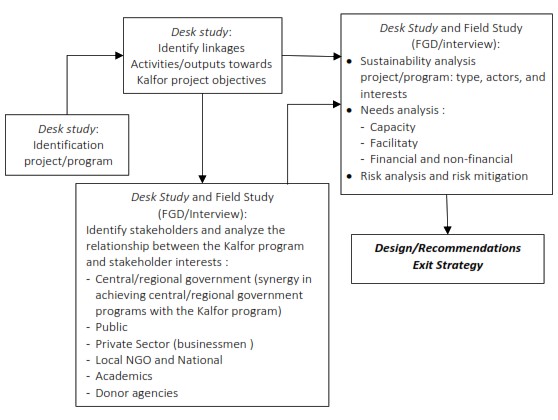
The KalFor project started its implementation on 22 December 2017 and ended in December 2024. It required an Exit Strategy for several activities which had been running for the past six years. It involves stakeholder levels (individuals, organizations, and institutions) at various levels of government institutions related to forestry in APL operating at the national, provincial and district levels.
The Exit Strategy aims to: (1) ensure the sustainability of project objectives and impacts after the project ends; (2) provide information to stakeholders and beneficiaries regarding the project closure and outline required roles and responsibilities for maintaining post-project activities; and (3) ensure orderly closure of the project. It refers to the efforts of all external resources from the entire project areas, expected to overcome the withdrawal of support from communities within the scope of the KalFor project by referring to three basic approaches, i.e.: (1) Phasing Down; (2) Phasing Out; and (3) Phasing Over.
The project works in four districts located in three provinces of Kalimantan: (1) Ketapang District, West Kalimantan Province; (2) Kotawaringin Barat District, Central Kalimantan Province; (3) Kutai Timur District, East Kalimantan Province; and (4) Sintang District, West Kalimantan Province. It has been implementing four main components: (1) National and Provincial Level Policies and Regulations; (2) Forest Management in Other Use Areas (APL); (3) Innovative Incentive Mechanism; and (4) Increased Knowledge and Understanding.
The project presents the commitment of the parties to implement sustainable programs/activities based on KalFor’s main program components; organization/partner as the person responsible for the commitment; and funding sources.
The project has enhanced awareness-raising initiatives among officials in central and provincial governments regarding the importance of regulations in the forestry sector in Other Use Areas (APL). It increased awareness the importance of gender equality and the empowerment of women, youth, and people with disabilities. It encouraged the presence of a ‘Joint Secretariat’ or Multistakeholder Forum to bring together stakeholders to increase green development and green financing. It reinvigorated a change of attitudes and actions regarding the importance of maintaining forests in the APL area, both at district and village level. Its success required collaborative actions, commitment from all relevant parties to pay attention to the balance of environmental and investment factors.